
Forest, Coffee, and Slow Lorises: Nurturing Harmony Between Humans and Nature

Amid growing human pressures and the shrinking forests of Java, the living spaces of wildlife are becoming increasingly threatened. The boundaries between forest areas and land used by humans are also becoming less distinct. However, in a region of Temanggung, Central Java, there is an interesting story of how humans and nature can coexist.
This place is called Hutan Kemuning. Here, the local community not only lives alongside the forest but also helps protect it through a simple practice: coffee agroforestry, commonly known as shade-grown coffee. Through this concept, coffee plants grow alongside other trees, creating a landscape that benefits not only humans but also has the potential to provide habitat for wildlife, including the Javan slow loris (Nycticebus javanicus), one of the area's most notable species.
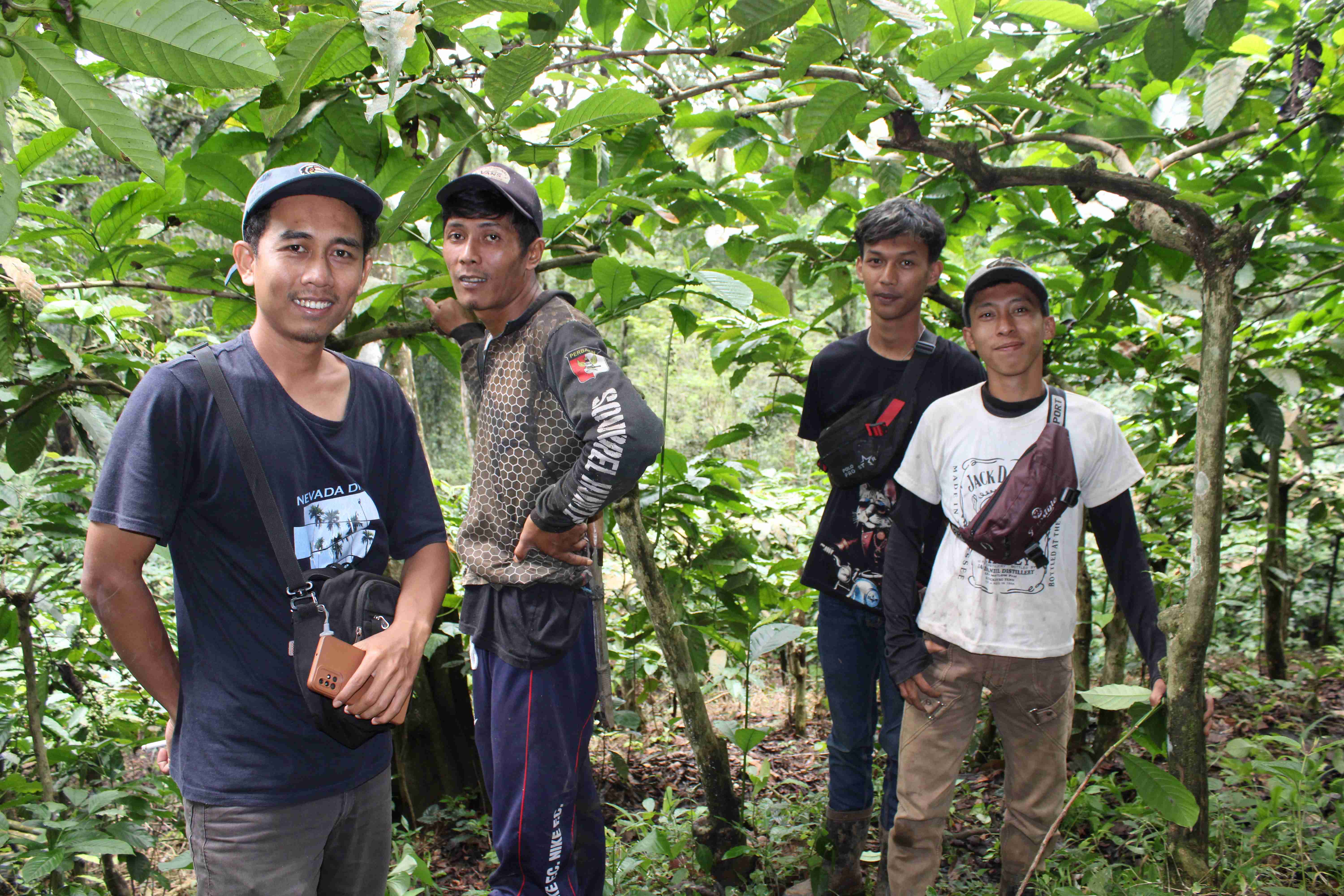
Hutan Kemuning is one of the remaining lowland forests in Java that has survived to this day. Since the 1970s, local communities have used this area to grow coffee. Over time, this activity has become an integral part of their lives and livelihoods. However, the use of this forest area has also brought challenges in its management, particularly concerning land access, benefit-sharing, and the implementation of regulations between the community and the forest manager. This is because the forest is owned by Perum Perhutani. This situation persisted for decades, spanning more than four decades. A turning point began to emerge when the Collaborative Forest Management (PHBM) scheme was introduced. Through this approach, the use of forest areas for coffee-based agroforestry activities began to be formally regulated. This allowed the community to continue developing their coffee plantations while taking into account the presence and sustainability of the forest. Under these regulations, the community is not permitted to cut down trees.
Agroforestry is a land management system that combines forestry plants with agricultural crops. Unlike conventional plantations, coffee in Hutan Kemuning is grown beneath the canopy of large trees. This means that the forest is not cleared but rather utilized responsibly. This system offers several benefits. Economically, the community earns income from coffee and other crops such as durian, petai, and bananas. Ecologically, the forest structure remains intact because large-scale tree clearing is avoided. Interestingly, the benefit-sharing arrangement has also been established, with approximately 70% going to the community and 30% to Perhutani. Although conflicts over profit-sharing remain, this system has generally succeeded in reducing previous tensions.
One of the clearest signs of this system's success is the continued presence of the Javan slow loris, a protected and endemic nocturnal primate. This species relies heavily on complex forest structures, with tall trees providing places to live and forage. The presence of Javan slow lorises in Hutan Kemuning indicates that the forest's ecological condition remains relatively good. Research has recorded dozens of encounters with Javan slow lorises across several locations in this area. This demonstrates that coffee agroforestry is not only beneficial for humans but also for wildlife. In addition to slow lorises, other species such as Javan langurs, civets, and hornbills have also been recorded in the area. This diversity serves as an important indicator that the ecosystem remains intact.
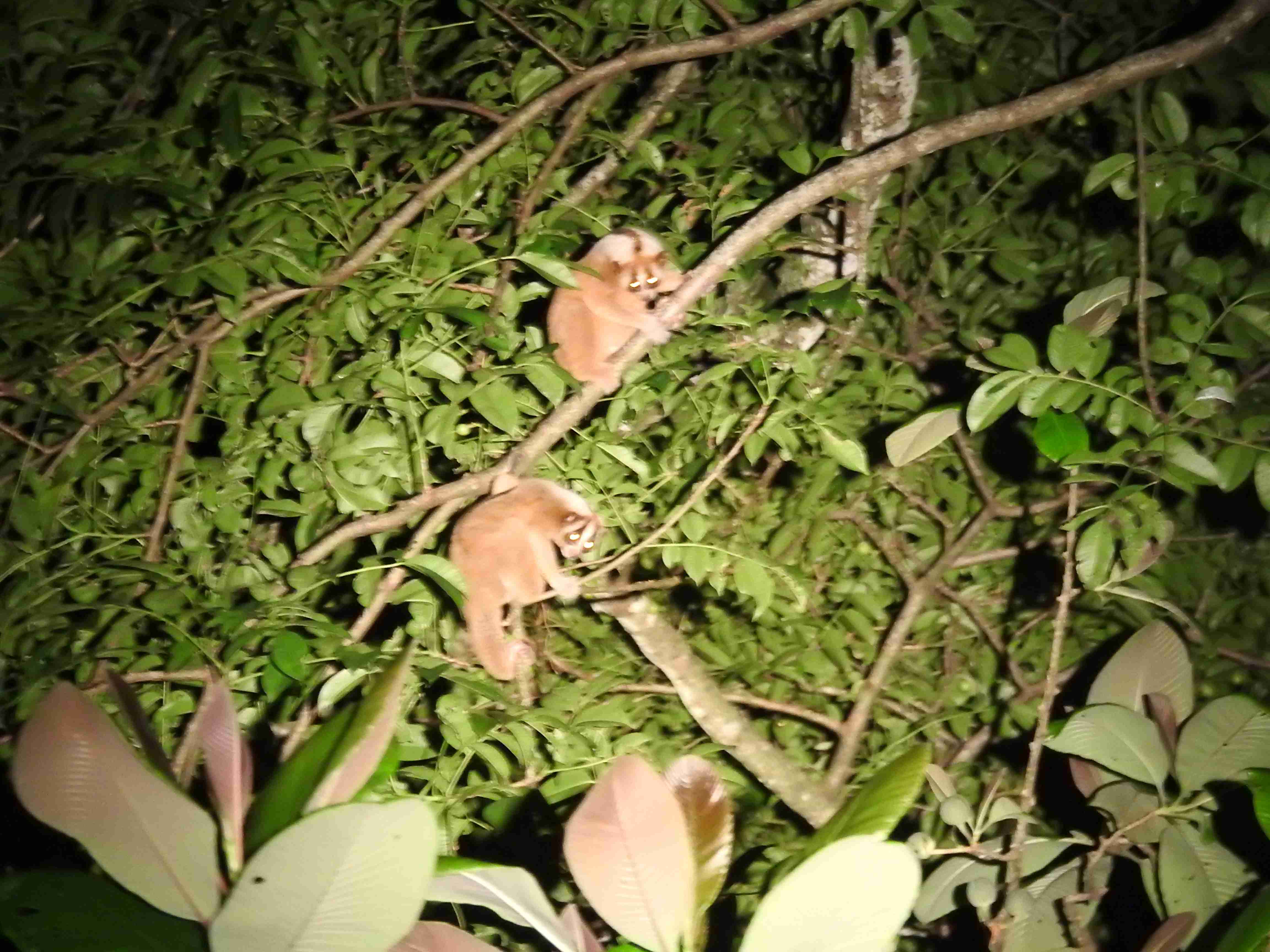
One of the key factors supporting the sustainability of Hutan Kemuning is the local community's traditional knowledge. They believe that the forest is a source of water and life. This belief encourages them to avoid excessive forest destruction. Rather than cutting down trees, they choose to grow coffee beneath the forest canopy. This practice not only protects the environment but also helps ensure economic sustainability. In other words, the community is not merely a user of the forest but also its guardian.
The story of Hutan Kemuning offers an important lesson: conflicts over forest management do not always have to end in environmental destruction. With the right approach, such conflicts can instead become an entry point for more sustainable solutions. Coffee agroforestry has proven to be an effective strategy for bridging economic interests and conservation goals. This system allows humans and nature to coexist without harming one another. More importantly, the successful preservation of the Javan slow loris habitat demonstrates that conservation does not always have to rely on exclusive approaches. Instead, community involvement is the key.
Amid the many challenges facing forests across Indonesia, Hutan Kemuning stands as a real example that hope remains. Through collaboration, local knowledge, and innovative land management, conflicts can be transformed into opportunities. And beneath the lush canopy and distinctive aroma of coffee, the Javan slow loris continues to thrive, serving as a symbol that harmony between humans and nature is not impossible.
Read the full research: https://doi.org/10.1088/1755-1315/449/1/012050

 Oleh Admin


