
When Conservation Becomes a Space for Learning Together

The success of a conservation effort is often measured by increasing wildlife populations, healthier habitats, or improved ecosystem conditions. These outcomes are undoubtedly important. But there is another kind of success that is often overlooked, when a conservation practice becomes known, understood, and learned by others. Conservation scientist Mark S. Reed from the University of Aberdeen describes this process as social learning; the exchange of knowledge and experiences among people that leads to better practices and stronger conservation outcomes.
Through social learning, the impact of conservation extends far beyond the place where it begins. Well-documented experiences can become valuable references for governments, researchers, conservation organizations, and local communities facing similar challenges. When good practices are shared, learned, and adapted elsewhere, conservation becomes a collaborative movement in which people strengthen one another.
JAWI (Javan Wildlife Institute) recently experienced this through two different but closely connected stories. Although they focused on different conservation initiatives, both highlighted the same message, conservation is not only about creating change on the ground, but also about inspiring others to learn and take action.
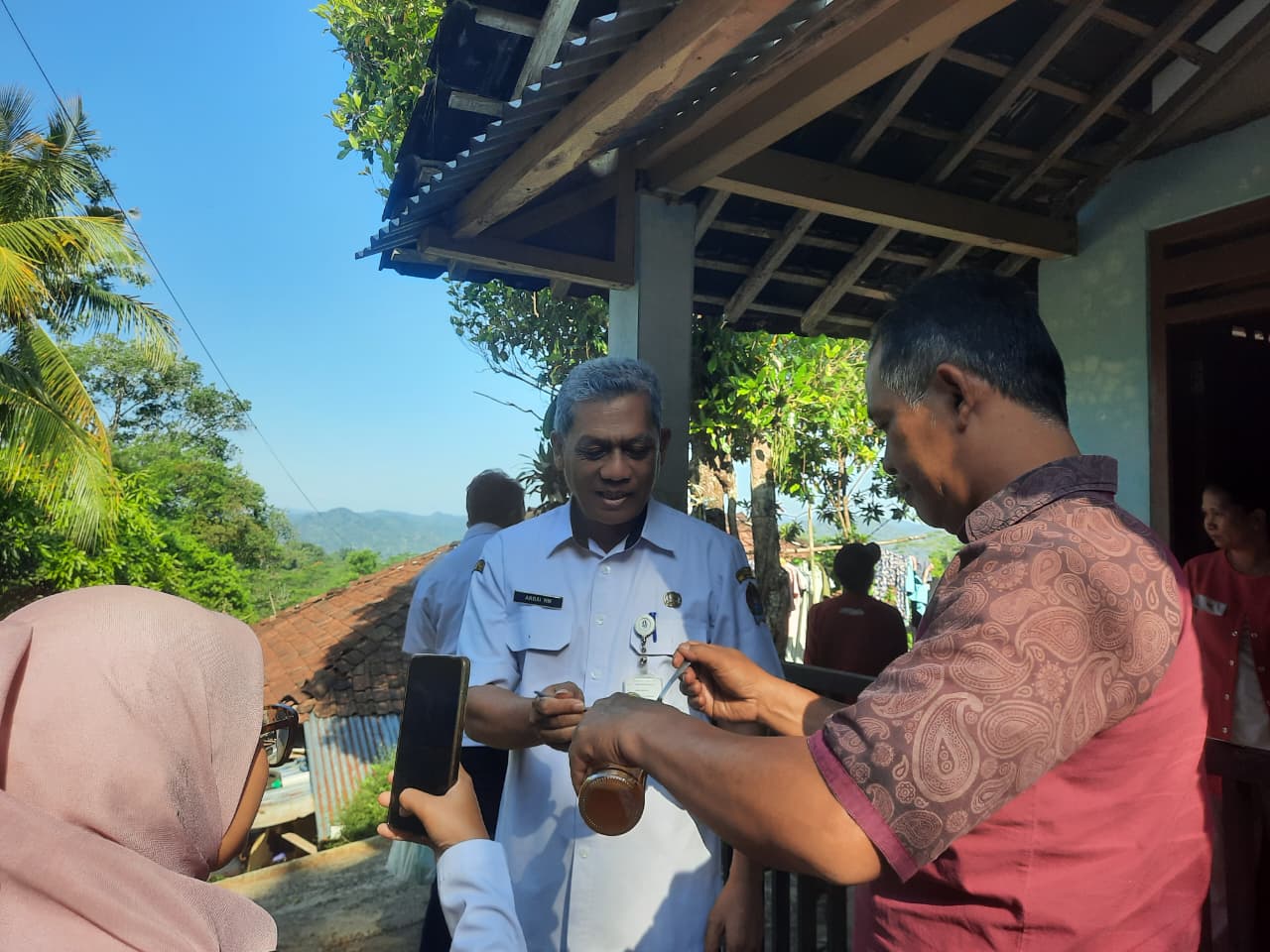
The first story comes from Kemuning Village, Bejen District, Temanggung Regency. On 8 July and 23 July 2026, representatives from the Culture and Tourism Agency of Temanggung Regency visited the village to explore its potential as a conservation-based tourism village. The visit was part of the local government's effort to promote sustainable tourism while protecting nature and improving community livelihoods.
Kemuning Village has become well known as a destination for nature-based and special-interest tourism, attracting both Indonesian and international visitors. Its forests remain healthy as an important habitat for the Javan slow loris and many bird species, thanks to the long-term collaboration between the local community and JAWI. Beyond its rich biodiversity, the village offers locally produced coffee, honey, and authentic rural experiences, making it an ideal model for sustainable tourism.
.jpg)
The visit demonstrated that the conservation approach developed in Kemuning is increasingly being recognized as a model worth learning from. When local governments begin to see conservation as part of regional development, opportunities for expanding its impact become much greater. Recognition like this also creates new opportunities for collaboration that strengthen conservation efforts over the long term.
The second story comes from Bintan Island. Since September 2025, JAWI has been working with Bintan Cakrawala Polytechnic (PBC) and Bintan Resort Cakrawala (BRC) to build canopy bridges that reconnect forest canopies fragmented by roads. After six months of monitoring, the bridges have been used by three arboreal primate species, including the target species, the Bintan Island pale-thighed langur (Presbytis siamensis rhionis), showing that the structures are functioning as intended.
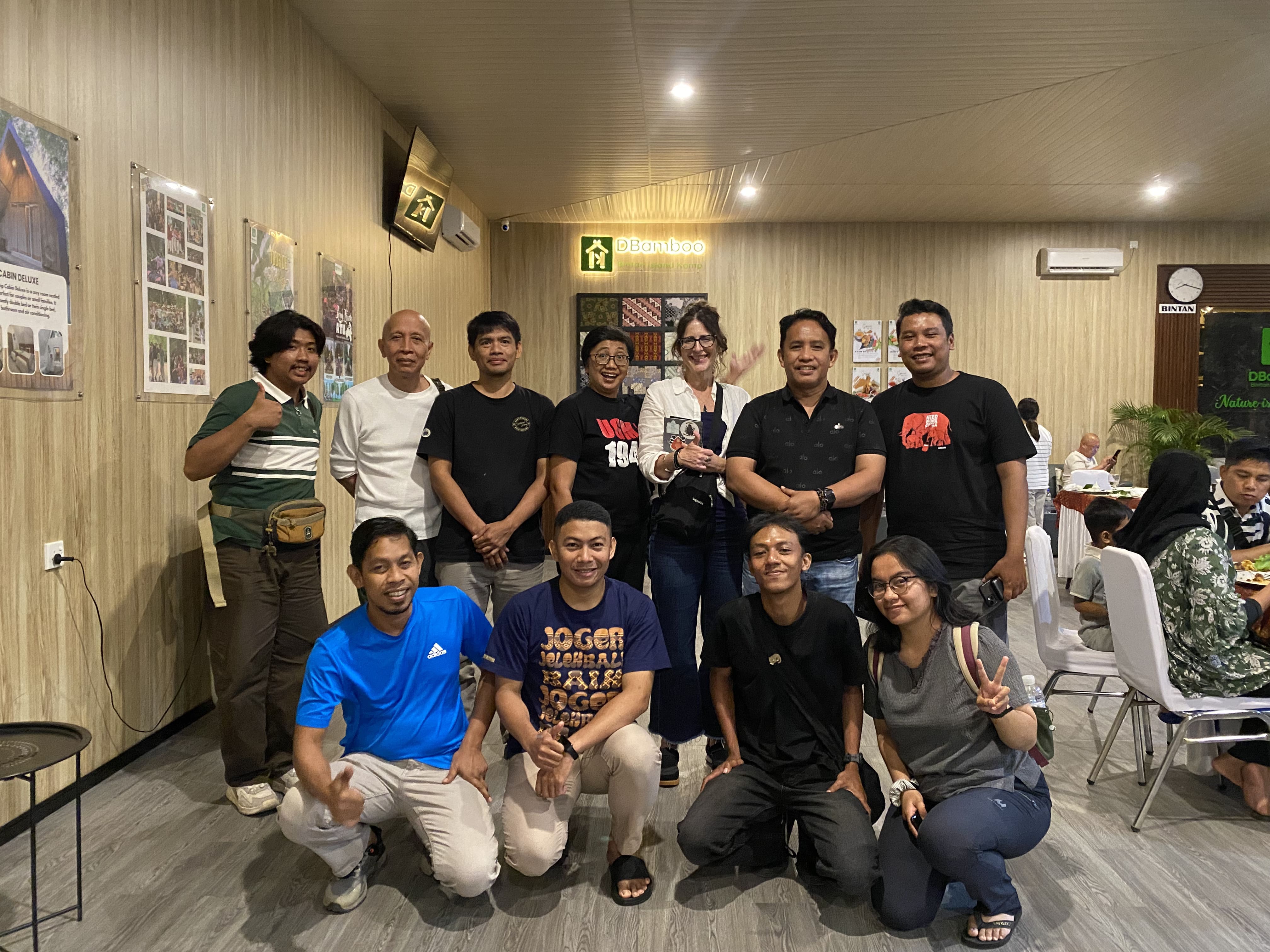
Throughout the construction process and the early monitoring phase, JAWI shared updates on the canopy bridge project through its social media platforms to document the journey and lessons learned. Earlier this year, Prof. Erin P. Riley from San Diego State University contacted Dr. Emilia Ayu Dewi Karuniawati, Director of Bintan Cakrawala Polytechnic, after receiving information that there was a canopy bridge being built for primates in Bintan. That initial conversation eventually led to a field visit on 29–30 July 2026 involving Prof. Riley, Prof. Ngakan Putu Oka, Awal from Hasanuddin University, and four representatives from Bantimurung Bulusaraung National Park, including the Park Head, Abdul Rajab.
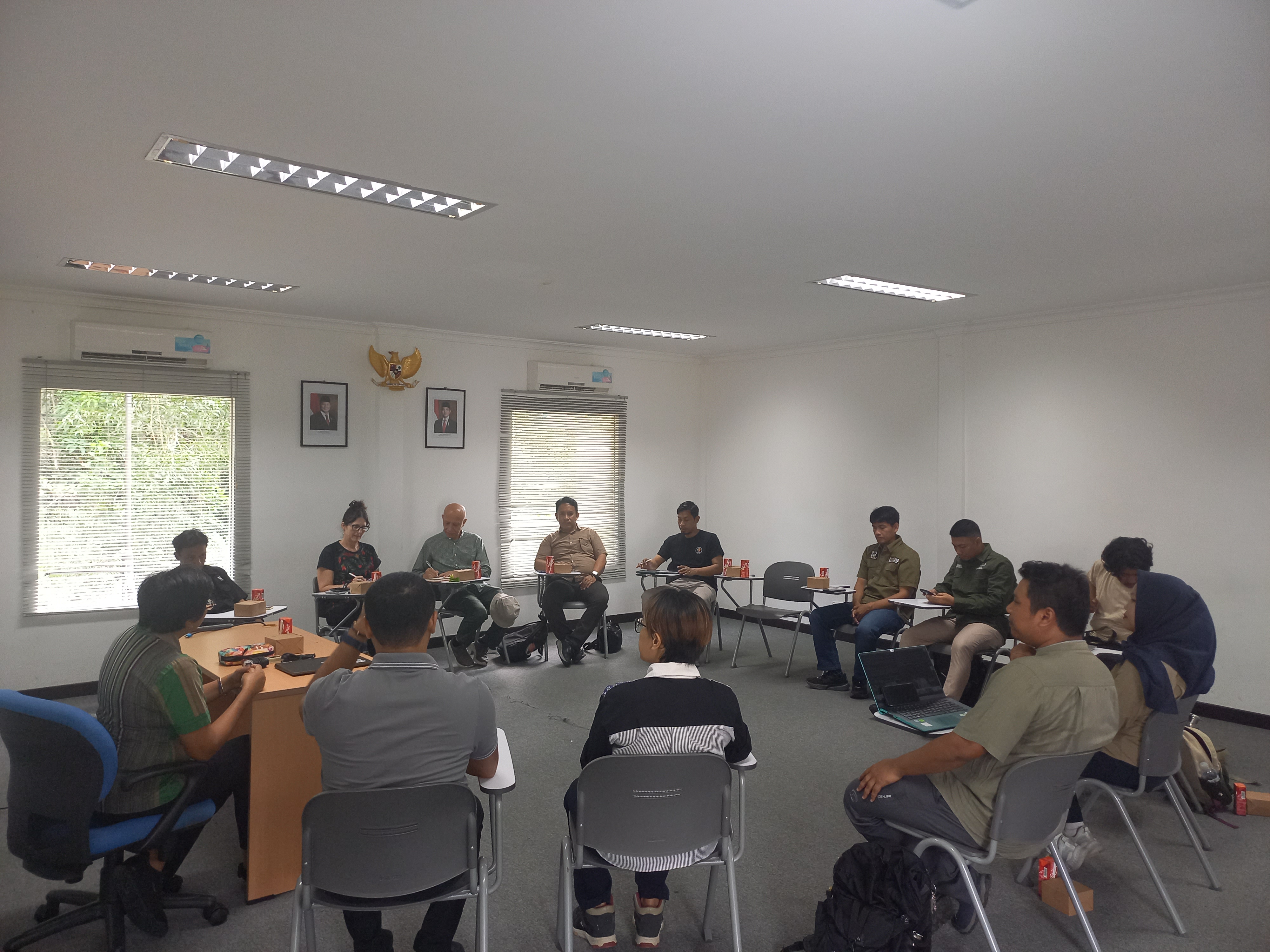
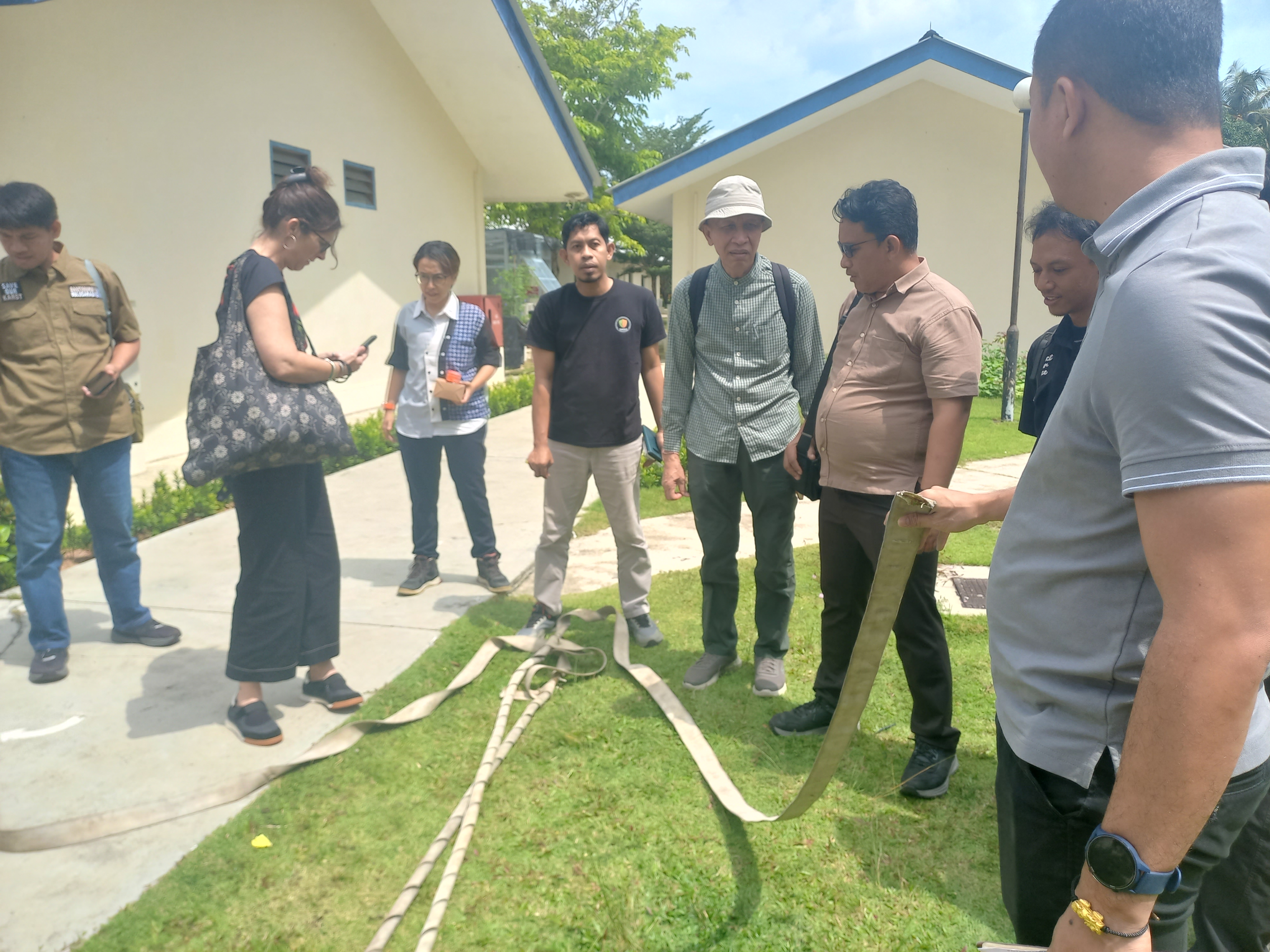
During the visit, the team discussed why the canopy bridge was needed, how the location and design were selected, the construction process, and the monitoring results. They then visited the bridge sites at PBC and the Landfill area, where they examined the bridge materials and observed the structures in the field. The visit created valuable opportunities to exchange ideas, discuss technical challenges, and learn from each other's conservation experiences.
The Sulawesi team did not come simply for a study visit. They are preparing to build canopy bridges in Bantimurung Bulusaraung National Park to support the conservation of the moor macaque (Macaca maura), locally known as darre. These macaques frequently cross a national highway because forest canopy connections have been lost, and many have become accustomed to being fed by passing motorists, increasing the risk of human–wildlife conflict. Planned road widening by the National Road Agency could further reduce canopy connectivity, making canopy bridges an important solution for reconnecting karst cliffs and trees while allowing wildlife to move safely above the road.
At first glance, these two stories may seem unrelated. One focuses on canopy bridges for arboreal primates, while the other highlights conservation-based tourism in a rural village. Yet both tell the same story, conservation becomes stronger when experiences are shared, understood, and put into practice by others.
From an institutional perspective, this process also builds legitimacy; growing trust and recognition that an initiative has real value and can serve as a model for others. When researchers, government agencies, universities, and conservation organizations come to learn, they do more than gain new knowledge. They acknowledge that the work being done is meaningful and worth replicating, creating new opportunities for collaboration, innovation, and broader conservation impact.
For those working in the field, this kind of recognition is deeply meaningful. Every visit, discussion, or exchange of ideas reminds us that even small conservation efforts can inspire action far beyond the places where they began. It motivates us to keep learning, improve our work, and continue documenting lessons that others can adapt to their own conservation challenges.
In the end, conservation is not only about protecting species or restoring habitats. It is also about building networks of knowledge, trust, and collaboration that allow good ideas to travel across landscapes and institutions. Every experience that is documented, understood, and shared has the power to strengthen not just one conservation project, but the conservation movement as a whole.

 Oleh Admin

